Define assets
Structure equipment, technical records, responsibilities and the history that must follow each asset.
dMS originated in the mid-1990s when mechanical engineer Willie King began developing a practical system to control maintenance, safety and plant performance. Today it connects maintenance plans, paper-supported or paperless work orders, equipment history, RCM/FMECA, maintenance KPIs, structural inspection management, materials, production downtime and OEE-ready operational context.
Extend the same platform with LIMS, Health and Safety, Quality, Material Control, Training and Competency, Medical Station and Firearm Compliance.
Customised import profiles can load datasets exported by laboratory instruments and other equipment, reducing repetitive row-by-row result capture while preserving controlled laboratory review.
dMS LIMS is in operational use at a client laboratory operating under SANAS accreditation. Accreditation applies to the laboratory and its accredited scope, not to the software product.
Read the accredited-laboratory workflow guidedMS began in the workshop as a practical plant management system for improving maintenance effectiveness, health and safety, plant utilisation and Overall Equipment Effectiveness.
Years of development and practical implementation shaped the system around the realities of equipment, work, production information, materials, safety evidence and management reporting. The wider platform grew from that foundation without losing its engineering purpose.
Meet the original designer and read the dMS story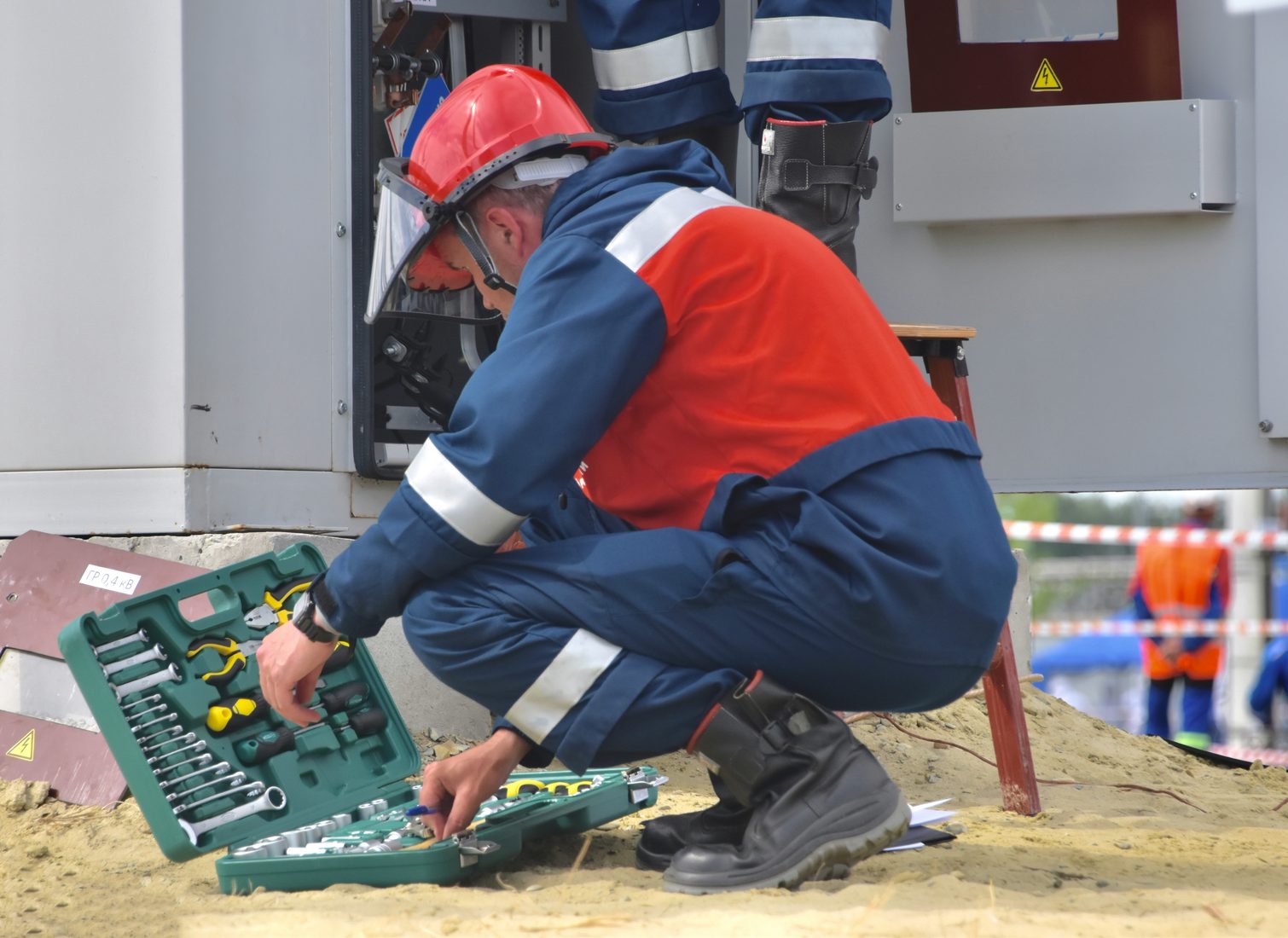
dMS keeps the full maintenance story connected instead of scattering planning, execution, history and reporting across separate files.
Structure equipment, technical records, responsibilities and the history that must follow each asset.
Use maintenance plans, RCM and FMECA information to define appropriate work and controls.
Schedule preventive tasks, inspections and recurring requirements against the operation.
Issue work, assign responsibility and capture labour, materials, findings and completion feedback.
Retain completed work, failures, examinations and supporting records against the correct equipment.
Use KPIs, trends and recurring problems to refine maintenance plans and operational decisions.
The dMS CMMS covers the routine work that keeps the plant moving and the engineering controls that improve reliability over time.
Define recurring work, frequencies, instructions, responsibilities and planned interventions.
Control planned and ad hoc work from identification through assignment, execution and feedback.
Keep technical information, maintenance activity, documents and lifecycle records attached to the asset.
Support structured reliability analysis, failure thinking and the review of maintenance strategies.
Turn maintenance activity into visible performance, backlog, completion and equipment trends.
Capture inspection schedules, findings, supporting evidence and follow-up maintenance as one controlled history.
Materials, mobile execution and production events all affect whether planned work becomes useful equipment history.
Each major solution has its own workflow, records and reporting, while connected implementation reduces repeated capture and fragmented operational history.
Assets, plans, paper or paperless work orders, RCM/FMECA, KPIs, structural inspections, materials, downtime and OEE-ready production context.
Explore CMMS software → OperationsRequisitions, receiving, inventory, stores, bills of material, budgets and transactions.
Explore Material Control → SHEIncidents, assessments, permits, appointments, legal registers and environment controls.
Explore Health & Safety → QualityDocument control, non-conformance, complaints, audits and contracts.
Explore Quality Management → LaboratoryEquipment-data imports, samples, specifications, results, trends, COA and exports.
Explore LIMS software → PeopleCourse planning, profiles, histories, outstanding training, examinations and reports.
Explore Training & Competency → PeopleAuthorised person-based medical-station record capture, retrieval and reporting.
Explore Medical Station → ComplianceEmployee competency, expiry monitoring and complete firearm stock history.
Explore Firearm Compliance →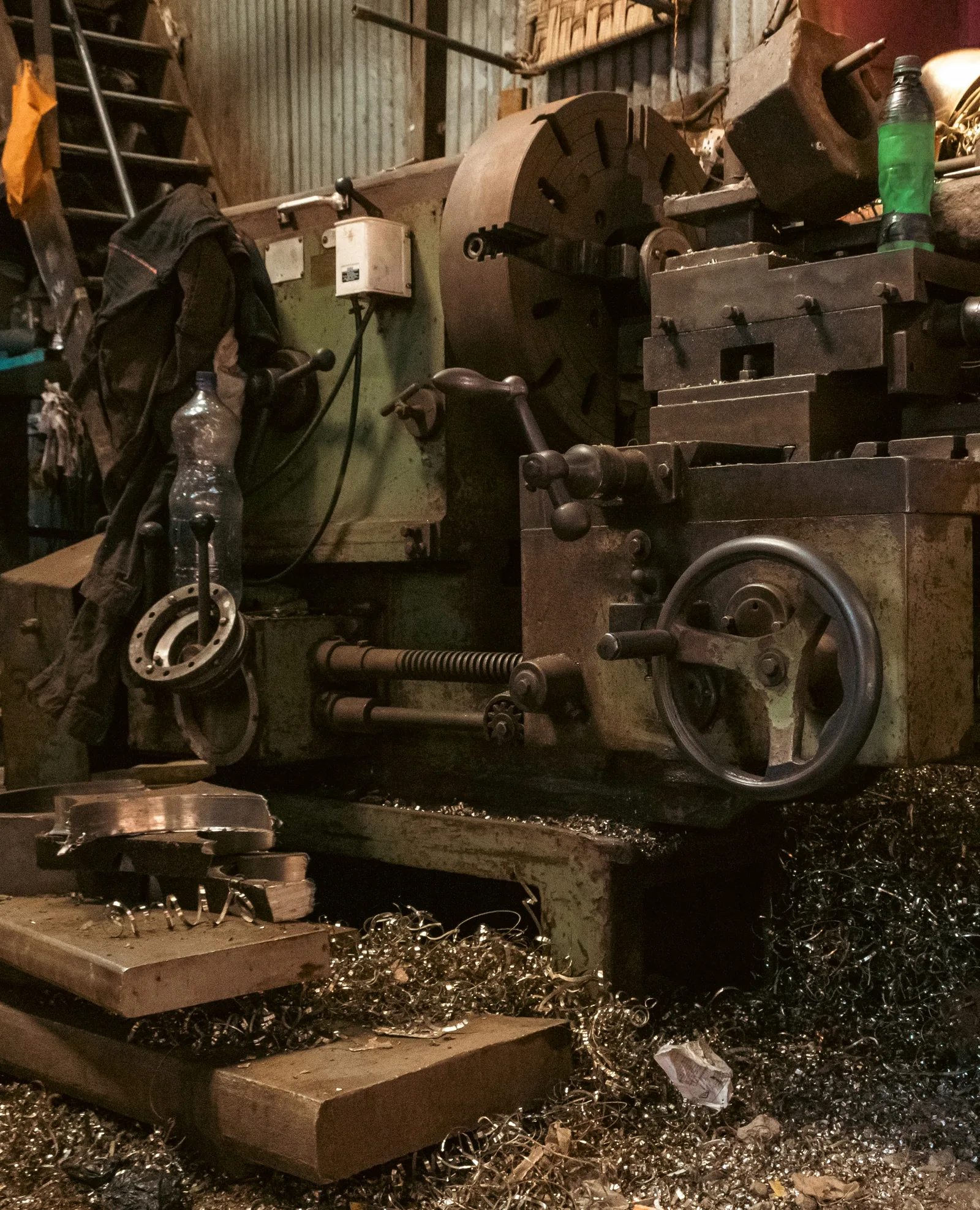
dMS supports asset-intensive environments including manufacturing, mining, food production, forestry, laboratories and other operations where maintenance, compliance and traceability matter.
Configure structures, workflows and reporting around the way the site works.
Align access and responsibility with the teams who own each operational record.
Keep maintenance, laboratory, material and compliance histories visible without flattening specialised workflows into one generic record.
Direct explanations of the core software categories, the records they manage and the controls required in maintenance and accredited laboratory environments.
Understand computerised maintenance management systems, core workflows, paper and paperless operation, asset history and maintenance reporting.
Read the CMMS guide → Laboratory guideUnderstand laboratory information management, samples, equipment-data imports, test specifications, results, trends and Certificates of Analysis.
Read the LIMS guide → Accredited laboratory guideSee how controlled LIMS workflows can support traceability, instrument-data intake, authorised review, reporting and ISO/IEC 17025-aligned laboratory processes.
Read the SANAS LIMS guide →The product is broad, but its position is straightforward: engineering-led maintenance first, connected operational control around it.
Maintenance and Reliability is the flagship dMS solution. It brings assets, maintenance plans, paper-supported or paperless work orders, equipment history, reliability analysis, maintenance KPIs, structural inspection management, materials, downtime and production-performance context together.
Yes. The wider platform includes LIMS, Health and Safety, Quality Management, Material Control, Training and Competency, Medical Station records, Firearm Compliance, production utilisation, OEE-supporting operational capture, mobile work and scanning.
Yes. Mechanical engineer Willie King began developing dMS in the mid-1990s to manage practical maintenance, production and safety requirements. Years of implementation and refinement shaped the wider platform used today.
The platform is implemented around the organisation, its assets, responsibilities, workflows and reporting requirements rather than forcing every site into one generic operating pattern.
Discuss the assets, maintenance processes and connected modules your organisation needs to manage.